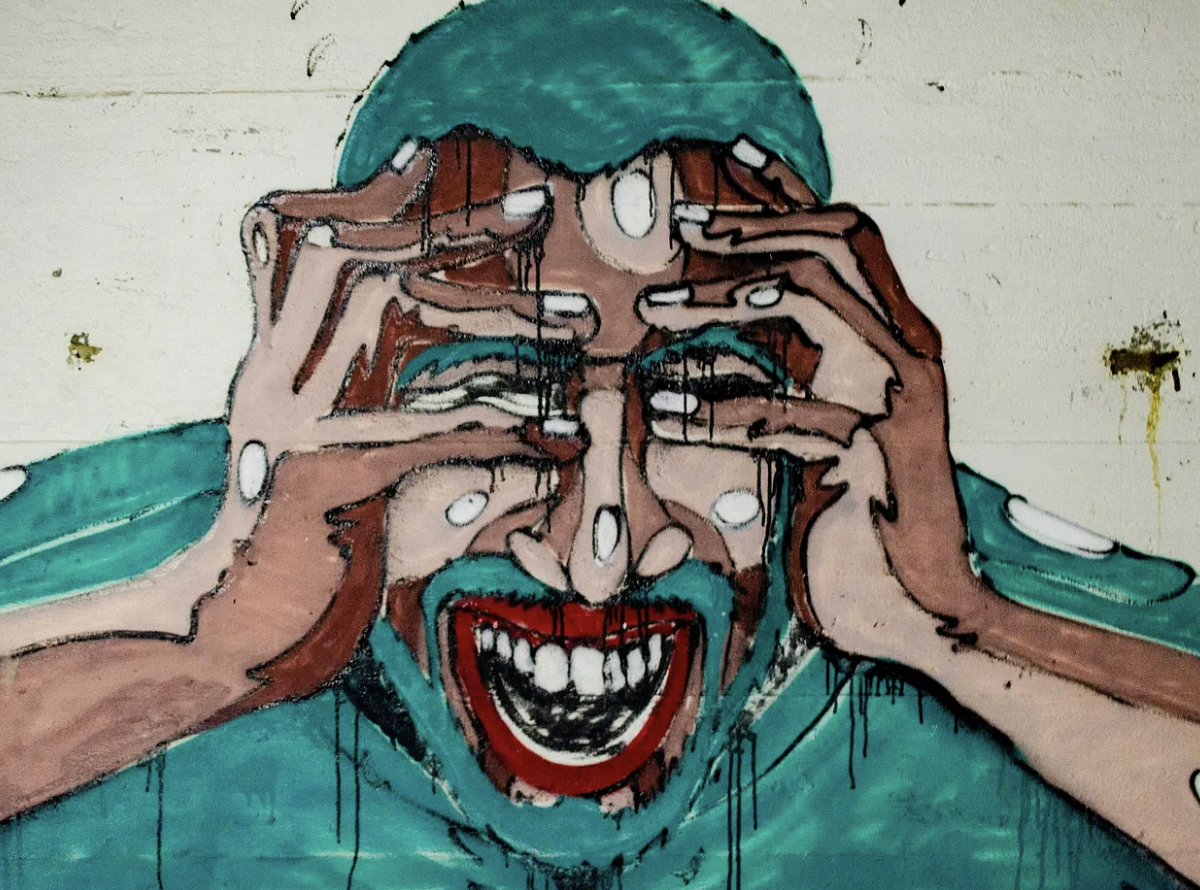

Ways to recognise you’re in survival mode
- Forgetting to eat
- Worrying a lot
- Feeling exhausted
- Having trouble sleeping
- Struggling to remember things (especially short-term)
- Feeling numb or wanting to just ‘numb out’
- Experiencing racing, repetitive thoughts
- Overeating
- Finding yourself staring off into the distance a lot
- Breathing quickly and shallowly
- Feeling demotivated
- Experiencing a sense of overwhelm
- Feeling dizzy/lightheaded
- Noticing your heart racing
- Feeling a sense of urgency all the time
- Finding it difficult to plan or delegate (living in a constant 24 hours)
- Struggling to make decisions
- Suffering mood swings, or being told you are ‘moody’ at the moment
- Feeling detached and as if nothing really matters
Different people experience survival mode in different ways: some people feel ‘flat’ or ‘numbness’, while others can feel ‘wired’ most of the time. Some move from feeling wired to feeling flat.
If you are reading through the list of symptoms and recognise that you experience a few of them, there may be a high chance that you are in survival mode.
If you feel stuck in survival mode, you may be experiencing the following:
- A sense of ongoing stress
- Poor eating habits
- Lack of motivation
- Difficulty making decisions
- Poor short-term memory
- Trouble sleeping
- Mood swings
- A sense of numbness or disassociation
- Difficulty relaxing
Traumatic events such as an accident, an assault, bereavement or abuse, may trigger our brains, sending us into survival mode. When our nervous system is dis-regulated, usually due to prolonged stress, our survival mode has trouble turning itself off.
However, survival mode is not always triggered by something traumatic, or by something that stands out. Constant lower levels of stress, like feeling isolated, overworked, gaslit, manipulated, etc, that keep us constantly operating in a constant fight our flight, can trigger survival mode.
Trying to balance so many things and not feeling like you have the time or energy to get everything done can lead to burnout due to not giving yourself enough time for self-care. Busy people may carry on through their busy lives, not realising they are burning out until one day they don’t feel like themselves any more.
Ways I can help myself help myself out of survival mode
To help from emotional and psychological trauma, it is important to resolve avoided and unpleasant feelings and memories, discharge pent up ‘fight-or-flight’ energy, learn to regulate strong emotions and rebuild your ability to trust others.
It is important to focus on regulating the nervous system, challenging catastrophic thoughts and implementing grounding behaviours.
- Accept that I am in survival mode – There is no solution without first acknowledging the problem.
- Apply some self compassion – This is a practice we can start now. Practicing self compassion looks like giving yourself a break, both literally and figuratively. Kinder self talk: ‘everyone struggles some time. Yes, I can take a break. I deserve to look after myself.
- Take care of you – Nurturing self-care looks like taking the time to do something that feeds your sense of physical and mental wellbeing. What do you enjoy physically, or like the idea of doing? How would it be to eat more fruit and vegetables?
- Build some structure – Being in survival mode may mean that you struggle to plan and delegate; you’re constantly chasing your tail. A routine, or sense of structure, can create calm, and crucially remove some of your decision fatigue. This is where working with a therapist, and working together, can be so beneficial as planning may be the last thing you feel like doing right now.
- Aim for and acknowledge little wins – reaching and achieving little goals will help build confidence and release dopamine that will energise you. See the smallest goal as a win.
- Trim down the triggers – Make a list of things in your life that seem to trigger stress and identify ways to counteract the stress or limit exposure to it. E.g: Is the news wearing me out? Could I cut down exposure to social media? Am I taking too much work on at the moment, is it time to say ‘NO’ or have. Break?
- Reach out to loved ones, or friends, for support.
The cycle of negative thoughts can become the cycle of positive thoughts. It just takes experimenting and practice held in self kindness and compassion.
Take care of your physical health – Having a healthy body can increase the ability to cope with stress and trauma.
Eating healthy foods and drinking water more regularly will give your body a better chance to help you regulate your emotions.
Avoid alcohol or drugs – Their use can worsen symptoms and increase feelings of depression, anxiety and isolation.
Get plenty of sleep – I understand worry and fear may interrupt sleep patterns. However, a lack of quality sleep can exacerbate survival mode symptoms, therefore making it harder to maintain emotional balance.
Reduce stress – Trying relaxation techniques such as Yoga, meditation, deep breathing exercises, walking, cycling. Schedule time for yourself and use this time to try activities that can bring you joy.
Self regulate your nervous system – When feeling agitated, anxious, or out of control, it is important to know that you can change your carousel system and calm yourself.
Mindful breathing – If you feel disorientated, confused, or upset, practicing mindful breathing is a quick way to calm yourself. Box breathing calms the nervous system, improves focus, is physically relaxing and helps improve breathing (a lot of the time, when in survival mode, we breathe high in our chest, box breathing helps us to use our lungs full capacity as we start to fill up the lower part of our lungs)
Get moving – Try an exercise that is both rhythmic and engages your arms and legs. Being in survival mode disrupts your bodies natural equilibrium, holding you in hyper-arousal and fear. Exercise and movement an help repair your nervous system, burn off adrenaline, and release endorphins.
Box breathing
- Exhale: Slowly empty your lungs, focusing on releasing tension.
- Inhale (4 seconds): Breathe in slowly through your nose while counting to four.
- Hold (4 seconds): Pause and hold your breath for a count of four.
- Exhale (4 seconds): Gently exhale through your mouth for a count of four.
- Hold (4 seconds): Pause again, holding your breath for a count of four before the next inhale.
- Repeat: Perform this cycle for 4 or more rounds (about 3–5 minutes).
While box breathing, pay attention to how it feels. Noticing your breath helps ground you and brings you into the present.
Sensory input – A certain sight, sound or smell may quickly make you feel calm. Maybe petting an animal or listening to music soothes you. Everyone responds differently to sensory input, experiment with what brings calm to you and what techniques feel comfortable for you .
Staying grounded – To feel more grounded in the present moment, sit in a chair, feel your feet on the ground and your back against the chair. Then apply the 3-3-3 rule:
- Look for 3 things – notice what is around you
- Listen for 3 things – notice distinct sounds
- Move 3 body parts – e.g: roll your shoulders, rub hands together, tighten and relax toes.
Tips for succes
- Do not rush – take time to fully immerse yourself in each sensation
- Repeat the cycle as many
- Repeat the cycle as many times as you like, or as necessary until you feel calmer
- Combine with slow, deep, breathing, to enhance the calming effect.
Why does this work? Grounding breaks the cycle of anxious thoughts and brings attention back to the physical world. Sensory focus uses the sense to interrupt internal distress and reduce physical feelings of tension.
See a therapist
These techniques are versatile, you can use them anywhere

Give yourself time, give yourself compassion.
It may, at first, feel strange to experiment with some of the techniques above, this will be because they are habits not yet created and may feel at odds to how you normally behave. Please do not feel frustrated by this, give yourself some time to implement new behaviours and give yourself compassion when it feels like it is taking to long.


